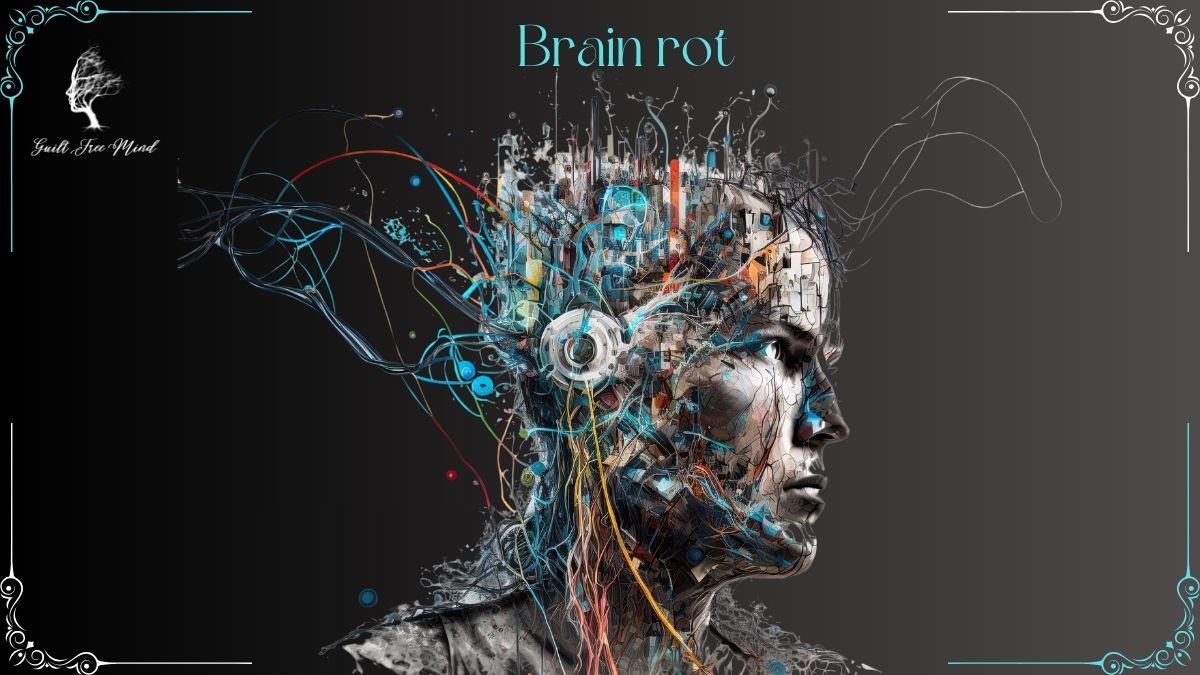
In an age where information is boundless and entertainment is literally at our fingertips, the lines between engaging content and mental clutter have become increasingly blurred. We scroll, we tap, we consume, often without a second thought. But what if this seemingly innocuous habit is subtly dulling our minds? What if the constant influx of bite-sized, low-value digital content is leading to a phenomenon colloquially known as "brain rot"? This isn't just a catchy internet phrase; it's a growing concern reflecting a profound shift in how we process information and engage with the world.
The concept of brain rot, while not a clinical diagnosis, captures a palpable sense of cognitive fatigue and a perceived decline in our ability to focus on complex tasks. It suggests that our brains, accustomed to the instant gratification and rapid-fire stimulation of the digital realm, are struggling to adapt to more demanding mental activities. But what is brain rot exactly, and how can we combat its pervasive influence to reclaim our precious attention spans?
Defining the Modern Phenomenon: What Is Brain Rot?
The term "brain rot" might sound alarming, but its recent surge in popularity reflects a collective unease about our digital consumption habits. So significant was its rise that it was voted Oxford’s Word of the Year in 2024. While the phrase itself has historical roots, attributed to Henry David Thoreau in 1854 to describe a preference for simpler ideas, its modern iteration points to something far more specific: the potential cognitive impact of low-quality internet content.
As Dr. Gary Small, chair of psychiatry at Hackensack University Medical Center, explains, "It refers to the mental or cognitive decline that seems to happen when you consume too much unchallenging or trivial content online." This content typically ranges from nonsensical memes and viral videos to embarrassing stunts and bizarre trends that populate platforms like TikTok, YouTube Shorts, and Instagram Reels. While research is still evolving, the core concern is that this relentless diet of superficial stimuli might be slowing down our brain function and hindering our capacity for deeper thought. To delve deeper into this, you might find our article Brain Rot Explained: How Low-Quality Content Dulls Your Mind particularly insightful.
It's not about the content being inherently "bad" from a moral standpoint, but rather its cognitive value. When our brains are constantly fed pre-digested, easily consumable snippets, they don't get the "workout" needed for sustained attention, critical analysis, or creative problem-solving. Instead of feeling invigorated after hours online, many experience a pervasive mental fogginess, fatigue, and a diminished capacity for focused work or meaningful engagement.
The Science (and Speculation) Behind the Fog
While brain rot isn't a medical diagnosis, the feelings it describes – the mental fatigue, the difficulty concentrating, the lack of creative drive – are very real. Experts are beginning to explore the underlying mechanisms, and one strong candidate is the neurotransmitter dopamine. Often dubbed the "feel-good hormone," dopamine plays a crucial role in our brain's reward system.
Scrolling through social media, with its unpredictable stream of novel content, can trigger frequent, small bursts of dopamine. Each new notification, like, or interesting post delivers a mini-reward, making the experience highly addictive. This immediate gratification can feel pleasant at first, creating a desire for more. However, this constant stimulation can lead to overstimulation and eventual exhaustion of the brain's reward pathways. Instead of sustained pleasure, we might experience a rollercoaster of dopamine highs and lows, ultimately leaving us feeling drained and chronically stressed.
Dr. Small highlights this concern: "Since constant scrolling raises your brain’s dopamine levels, it can actually become a behavioral addiction, where you feel the need to do it constantly." This isn't about physical harm to the brain, but rather a weakening of its cognitive muscles. Think of it this way: if you only ever lifted very light weights, your muscles wouldn't grow stronger. Similarly, if your brain is perpetually engaged in passive, low-effort activities, it won't be challenged to build the neural pathways necessary for complex thought and sustained attention. This can manifest as a shorter attention span, making it difficult to complete work projects, read a book, or engage in a long conversation, as noted by Daniel Schacter, a psychology professor at Harvard University.
Who's At Risk? Identifying the Triggers of Brain Rot
The uncomfortable truth is that anyone can experience the effects of brain rot, regardless of age. With over 5 billion people on social media globally, as Dr. Small points out, the potential for widespread impact is significant. While anecdotal evidence suggests teenagers and young adults, particularly teenage girls who spend nearly three hours a day on social media, are particularly susceptible due to their heavy usage, the phenomenon is not limited to any demographic. Brain Rot: Oxford's Word of 2024 & Its True Impact further explores how this term resonates across various age groups.
Brain rot tends to manifest when individuals frequently engage in activities that demand minimal cognitive effort but high screen time. Common triggers include:
- Binge-watching YouTube videos: Consuming hours of unchallenging or background content.
- Endless social media scrolling: Mindlessly swiping through feeds without specific intent.
- Multitasking with screens: Surfing the internet, texting, and checking email simultaneously, fragmenting attention.
- Passive video gaming: Engaging in repetitive, low-cognitive-load games for extended periods.
- Doomscrolling: Obsessively checking news feeds, even when the content is disturbing or upsetting, leading to mental exhaustion rather than informed engagement.
The core issue isn't the activities themselves, but the excessive and unmindful way we engage with them. As Dr. Small wisely observes, this time spent on trivial content is often "taken away from other, more cognitively enriching activities" such as reading, pursuing a hobby, engaging in deep conversations, or spending quality time with friends. These activities are crucial for building and strengthening brain function, providing the challenges that force our minds to be active, creative, and engaged.
Reclaiming Your Attention: Practical Strategies to Combat Brain Rot
Recognizing the signs of brain rot is the first step; the next is taking intentional action to reclaim your cognitive vitality. It's not about abandoning digital media entirely, but rather fostering a healthier, more balanced relationship with it. Here are practical strategies to help you combat brain rot and sharpen your focus:
1. Implement Mindful Screen Time and Digital Detoxes
Consciously track your screen time and identify patterns of mindless scrolling. Consider implementing short digital detoxes – even an hour without your phone can make a difference. Designate "no-screen" zones or times, such as during meals, before bed, or for the first hour after waking up. Use built-in phone features or third-party apps to monitor and limit usage.
2. Curate Your Digital Diet
Just as you wouldn't eat junk food all day, be mindful of the content you consume. Unfollow accounts that contribute to passive scrolling or generate negative emotions. Seek out creators and content that are informative, inspiring, educational, or genuinely thought-provoking. Actively search for articles, documentaries, or podcasts that challenge your perspective and expand your knowledge.
3. Engage in "Brain Workouts"
Regularly engage in activities that demand sustained attention and cognitive effort. This could include:
- Reading physical books or long-form articles: Train your brain to focus for extended periods.
- Learning a new skill or language: Challenge your mind with complex problem-solving.
- Practicing a hobby that requires focus: Playing an instrument, painting, knitting, or gardening.
- Engaging in deep conversations: Discuss complex topics with friends or family, forcing critical thinking and active listening.
- Solving puzzles: Crosswords, Sudoku, or even strategic board games can give your brain a workout.
4. Set Clear Digital Boundaries
Utilize technological tools to your advantage. Set app limits on your phone, turn off non-essential notifications, and keep your phone out of reach during work or study sessions. Consider using website blockers for specific periods. Establish a "charging station" for your devices away from your bedroom to improve sleep hygiene and reduce late-night scrolling.
5. Prioritize Offline Interactions and Nature
Make a conscious effort to connect with people face-to-face and spend time in nature. Social interaction in real life stimulates different parts of the brain than online communication, fostering empathy and complex social skills. Time outdoors can reduce mental fatigue and improve focus.
6. Practice Single-Tasking
Resist the urge to multitask with digital devices. When you're working, focus solely on that task. When you're talking to someone, give them your full attention. This re-trains your brain to sustain focus on one item at a time, gradually lengthening your attention span.
Conclusion
While "brain rot" may be a slang term, the concerns it raises about our cognitive health in the digital age are profoundly real. It serves as a vital reminder that our brains are not passive recipients of information; they are dynamic organs that thrive on challenge and meaningful engagement. By understanding what is brain rot and consciously adjusting our digital habits, we can move away from mindless consumption and towards intentional interaction. Reclaiming our attention from endless scrolling isn't just about reducing screen time; it's about investing in our mental well-being, fostering deeper thinking, and nurturing a more vibrant, engaged mind capable of navigating the complexities of both the online and offline worlds.